

Welcome to the future, where homes are smarter than most of us! Home automation isn’t just a trend; it’s a booming industry that’s transforming how we live. From controlling lights with a voice command to adjusting your thermostat while lounging on the couch, the demand for skilled professionals in this field is skyrocketing.
Overview of Home Automation Jobs
Home automation jobs encompass a wide range of roles focused on integrating technology in residential spaces. Positions in this field include system designers, installers, and technicians responsible for creating and maintaining smart home systems.
Growing interest in smart homes fuels demand for qualified individuals. As homeowners seek to enhance convenience and security, companies look for professionals with expertise in technology and customer service. Industry trends indicate a rising need for automation specialists, with projected employment growth of 17% from 2020 to 2030, according to the U.S. Bureau of Labor Statistics.
Installers play a critical role by ensuring devices work seamlessly. This process involves fitting items such as smart thermostats, security cameras, and lighting systems into homes. Technicians also provide essential support by troubleshooting and repairing glitchy devices, maintaining high performance.
The skills required for home automation jobs often include proficiency with programming, networking, and electronics. Knowledge in project management can enhance career prospects, especially for those overseeing large installations. Certifications from reputable organizations like CEDIA or ISA signal a commitment to professionalism and expertise.
Emerging technologies like IoT (Internet of Things) create further opportunities. Jobs focusing on voice-activated systems and energy-efficient devices attract interest among tech-savvy candidates. Mentorship programs and online courses also prepare individuals for entry into this competitive field.
Networking within the industry aids in career advancement. Attending trade shows and joining professional associations connects job seekers with current trends and potential employers. With the home automation industry evolving, ongoing training and staying informed are vital for continued success.
Types of Home Automation Jobs
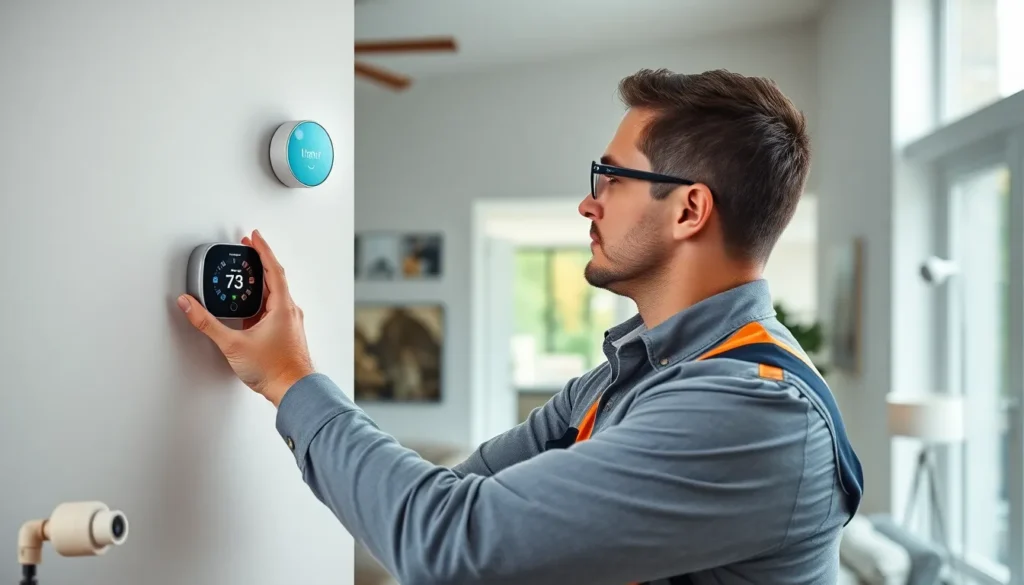
Home automation presents a variety of career opportunities. Each role focuses on integrating technology into homes, enhancing convenience and efficiency.
Installation Specialists
Installation specialists handle the practical aspects of home automation. They install devices like smart thermostats, security cameras, and lighting systems. Skilled in wiring and configuration, they ensure proper setup for optimal performance. Communication with clients often enhances user satisfaction. Familiarity with various brands and products aids in troubleshooting during installations.
System Designers
System designers create blueprints for smart home ecosystems. They assess client needs and recommend suitable technologies. Expertise in software and hardware integration is crucial for this role. By leveraging advanced programming skills, designers customize solutions to enhance user experience. Collaboration with installation teams ensures that designs translate effectively into reality.
Technical Support
Technical support personnel address technical issues and maintain system functionality. They troubleshoot problems related to devices or network connections. Knowledge of current technologies is vital for effective assistance. Support technicians often guide clients through setup and operational challenges. Their role fosters customer trust and satisfaction in home automation systems.
Skills Required for Success
Success in home automation requires a blend of technical and soft skills. Professionals must master various competencies to thrive in this dynamic sector.
Technical Skills
Proficiency in programming languages such as Python or JavaScript serves as a foundation for many roles. Knowledge of networking protocols is crucial since devices rely on effective communication within smart ecosystems. Familiarity with electronics and wiring ensures that installations meet safety standards and function correctly. Experience with popular automation platforms enhances problem-solving capabilities. Certifications from recognized organizations, such as CEDIA or CompTIA, validate expertise and may increase job prospects.
Soft Skills
Effective communication is key when interacting with clients to understand their needs. Adaptability helps professionals stay current with rapid technological advancements. Problem-solving abilities enable technicians to troubleshoot efficiently and restore system performance. Teamwork fosters collaboration with other specialists, resulting in seamless project execution. Strong customer service skills enhance trust and satisfaction, ultimately leading to positive referrals and business growth.
Career Path and Opportunities
The home automation industry offers promising career paths and numerous opportunities for growth and advancement. As technology continues to evolve, professionals within this field can expect consistent demand for their skills.
Job Growth in the Industry
Industry forecasts predict a 17% growth in employment opportunities from 2020 to 2030, according to the U.S. Bureau of Labor Statistics. This increase reflects the heightened interest in smart homes and advanced automation systems. More homeowners seek the convenience of integrated technology, creating a strong need for skilled professionals. Factors like the Internet of Things (IoT) and mobile application developments further drive this demand. Relevant certifications and ongoing training significantly enhance career prospects within the sector.
Potential Earnings
Earnings in the home automation field vary based on role and experience. System designers and installers typically earn competitive salaries, with entry-level positions starting around $40,000 annually and experienced professionals making over $80,000 each year. Technicians, depending on skill level, often earn between $50,000 and $70,000. Additional certifications and expertise can boost earning potential. For specialized roles, such as project management, salaries can exceed $100,000.
The home automation industry presents exciting career opportunities for those willing to embrace technology. As smart homes become more prevalent the demand for skilled professionals continues to rise. With a projected employment growth of 17% over the next decade individuals entering this field can expect a rewarding career path.
By honing both technical and soft skills aspiring professionals can position themselves for success. Certifications from reputable organizations can further enhance their qualifications. As technology evolves staying informed and adapting to new trends will be essential for thriving in this dynamic environment. Embracing the future of home automation can lead to fulfilling careers that shape how people live and interact with their homes.