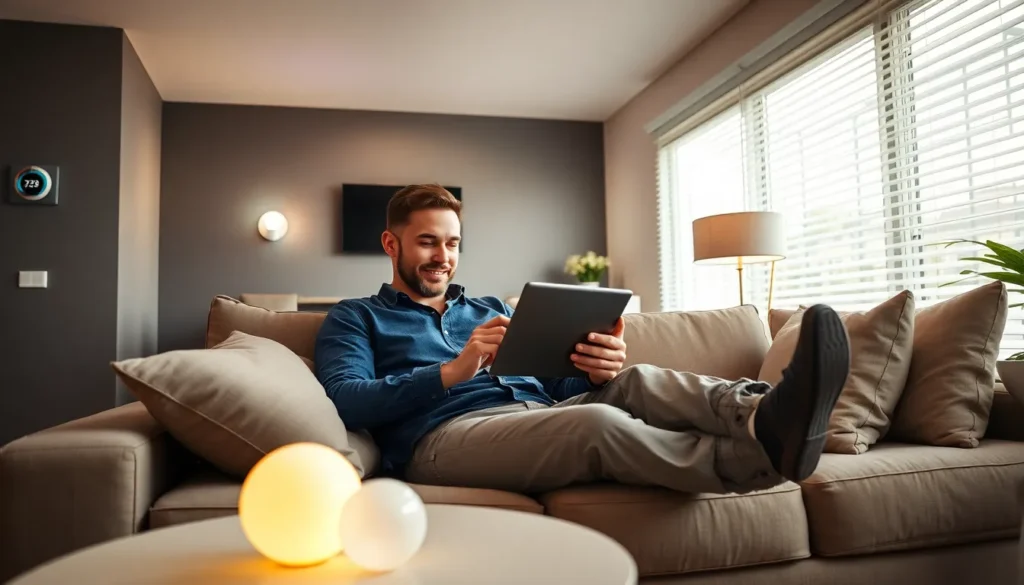
Imagine walking into your home and having the lights flicker on, the thermostat adjust to your perfect temperature, and your favorite playlist serenade you—all without lifting a finger. Sounds like a scene from a sci-fi movie, right? Welcome to the world of home automation, where convenience meets cutting-edge technology. But before you dive into this futuristic lifestyle, let’s talk dollars and cents.
Overview of Home Automation
Home automation refers to the integration of technology into residential spaces. This technology enables homeowners to control systems like lighting, heating, security, and entertainment remotely. Enhanced convenience represents a significant advantage, making everyday tasks more manageable.
Smart devices such as thermostats, lights, and locks play a key role in creating a fully automated home. For instance, smart thermostats can learn user preferences and adjust temperatures accordingly, often leading to energy savings. Connectivity through smartphones or voice-activated assistants allows seamless interaction with these devices.
Cost considerations are vital when exploring home automation. Initial investments often include purchasing devices and installing systems. Setup expenses vary significantly based on the home’s size and the desired level of automation. Simple setups might only require a few hundred dollars for basic devices, while extensive systems can exceed several thousand dollars.
Many options exist for homeowners looking to automate their spaces. DIY systems cater to those seeking a cost-effective entry point. In contrast, professionally installed systems typically provide comprehensive solutions but come at a premium price.
Long-term savings become apparent with energy-efficient technologies. Smart lighting and temperature control contribute to reduced utility bills. Some homeowners appreciate the added security features that deter break-ins and provide peace of mind.
Overall, the decision to invest in home automation hinges on individual lifestyles, preferences, and budgets. Each household can benefit from assessing its unique needs and exploring available technologies.
Factors Influencing Home Automation Cost
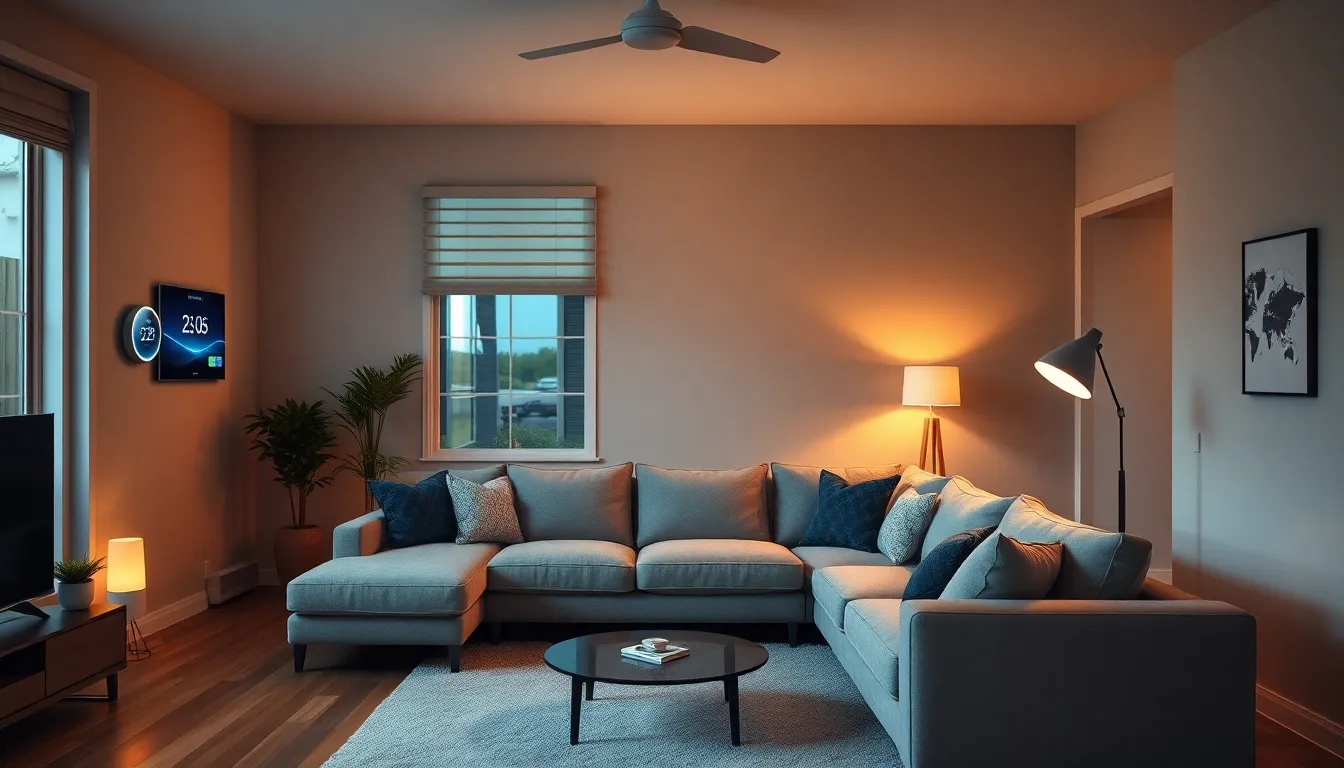
Multiple factors determine the overall cost of home automation systems. These include equipment choices, installation requirements, and ongoing maintenance.
Equipment and Installation Costs
Initial equipment costs vary significantly. Basic smart devices like lights or thermostats may only cost a few hundred dollars. More complex setups, incorporating multiple devices or advanced systems, can exceed several thousand dollars. Installation expenses also contribute to the total cost. DIY systems generally save on installation fees, but professionally installed systems offer expertise and seamless integration. Smart home hubs, security cameras, and smart speakers also influence equipment costs, as each area of automation contributes to the total investment.
Maintenance and Support Costs
Ongoing maintenance represents another critical consideration. System monitoring services often require monthly fees, which can range from $10 to $50. Regular software updates and troubleshooting may also incur additional charges. Support options, whether from manufacturers or third-party providers, impact these costs. Higher-end systems typically include better customer service and quicker response times. Homeowners should also consider potential repairs or replacements as devices age or technology improves, ensuring long-term financial planning remains part of their decision-making process.
Comparing DIY vs Professional Installation
Evaluating DIY and professional installation options reveals distinct advantages and disadvantages for homeowners. Each choice influences the overall automation cost and homeowner satisfaction.
Pros and Cons of DIY
Cost savings stand out as a significant benefit of DIY installations. Many homeowners prefer to manage installations themselves, often leading to lower overall expenditures. Flexibility in selecting components allows for personalized setups tailored to specific needs. However, technical skills can vary, and some may struggle with more complex devices, potentially leading to frustration or errors. Limited warranty support could also make troubleshooting harder. Overall, while DIY can reduce expenses, it requires a good understanding of technology.
Pros and Cons of Professional Services
Professional installation offers expertise and efficiency. Certified installers ensure devices work seamlessly within a network, reducing installation time and minimizing setup errors. Warranty options often include ongoing support, providing peace of mind for homeowners. Nevertheless, pricing for professional installation can be high, leading to substantial upfront costs. Scheduling conflicts may arise when coordinating with service providers, adding to potential delays. Professional services deliver reliability, but that reliability comes at a premium.
Budget-Friendly Home Automation Options
Smart devices offer affordable entry points for homeowners interested in budget-friendly automation solutions. Devices such as smart plugs and light bulbs provide simple controls for daily tasks, with costs ranging from $10 to $50 each.
Home automation hubs can centralize control, often costing between $50 and $150. These hubs connect various smart devices, enabling seamless interaction and efficiency in managing home environments.
DIY systems present significant savings on installation costs. Many prefer configuring devices independently to avoid hiring professionals, allowing for personalized setups tailored to specific needs.
Subscription services for monitoring and control typically range from $10 to $50 monthly. These services enhance security through remote monitoring and alerts, providing reassurance without substantial initial investments.
Retailers frequently offer bundles or discounts on smart home kits. Homeowners often save money by purchasing multi-device sets that include items such as cameras, thermostats, and lights, promoting cohesive integration at a lower overall cost.
Energy-efficient technologies, like smart thermostats, can contribute to long-term savings. Homeowners see reduced utility bills as these devices optimize temperature settings based on occupancy and patterns.
Exploring second-hand options can also yield budget-friendly choices. Gently used devices may still offer reliable automation features while minimizing expenses.
Discounted or refurbished products enable homeowners to invest mindfully in home automation. Seeking out reputable sellers ensures devices maintain quality while benefitting from lower prices, maximizing the automation experience without financial strain.
High-End Home Automation Solutions
High-end home automation solutions offer advanced features and customization options. Typically, these systems integrate seamlessly into various home environments, including luxury lighting, climate control, and entertainment setups. Prices can vary significantly, with installation costs alone reaching up to $20,000 for comprehensive systems.
Smart home integration usually includes platforms like Control4 and Crestron, recognized for exceptional performance. These systems can manage multiple devices simultaneously, providing convenience at the touch of a button. Common features include voice control, remote access, and automated scheduling, enhancing the user experience and overall efficiency.
Purchasing high-end components affects overall costs quickly. For instance, a smart lighting system can cost between $1,000 and $5,000, depending on the number of fixtures and customization required. Climate systems often range from $2,500 to $10,000 while offering top-tier features like programmable thermostats and smart vents.
Maintenance serves as an important aspect of high-end solutions. Routine check-ups and software updates usually cost between $100 and $500 annually. Homeowners may choose to subscribe to premium monitoring services, adding another layer of security with fees ranging from $20 to $100 monthly.
Professional installation plays a crucial role in maximizing these advanced systems. While DIY solutions attract some budget-conscious consumers, intricate wiring and configurations often require expert attention. Experienced technicians ensure systems function optimally, helping prevent future issues.
Considering energy efficiency, luxury smart thermostats may save significant money over time. With federal incentives now available for energy-efficient installations, homeowners can offset costs effectively. High-end automation enhances comfort while providing long-term benefits, making it a worthy investment for those aiming to elevate their living environment.
Home automation offers a blend of convenience and efficiency that many homeowners find appealing. While the initial costs can vary significantly based on the complexity of the systems chosen, the long-term benefits often outweigh the upfront investment. By considering factors such as DIY options versus professional installation and ongoing maintenance costs, homeowners can make informed decisions that align with their budgets and lifestyle needs.
With numerous affordable devices and potential energy savings, integrating smart technology into a home can enhance comfort and security. As technology continues to evolve, staying informed about available options ensures homeowners maximize their investment in home automation.