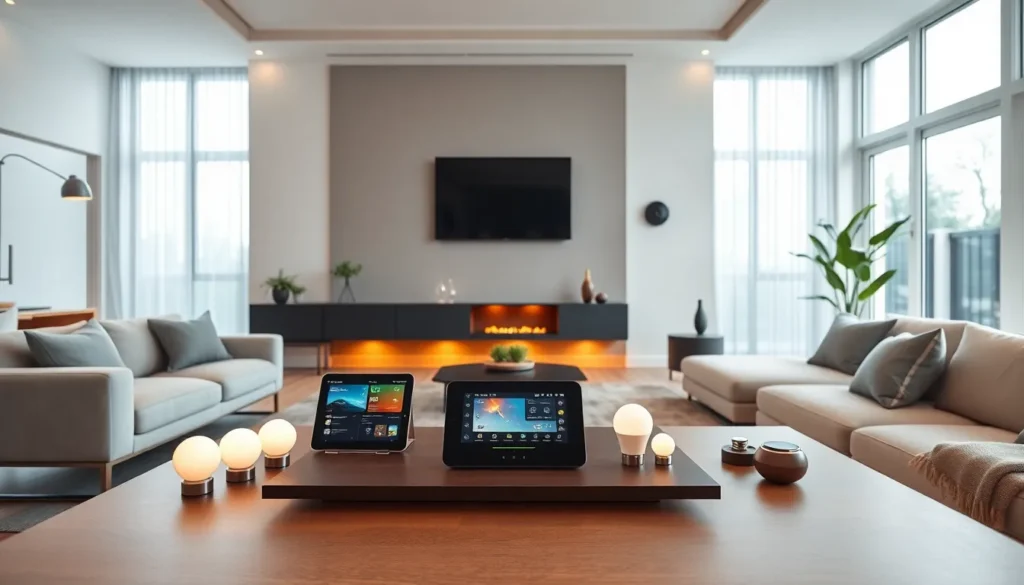
Imagine walking into your home and having it greet you like an old friend. Lights automatically adjust, a gentle melody plays, and the thermostat sets the perfect temperature as if it knows you too well. Welcome to the world of nice home automation. This isn’t just some lofty tech dream: it’s a reality available at your fingertips. Home automation offers convenience, energy efficiency, and security, making life smoother than ever, plus, you’ll finally get to impress your guests with your state-of-the-art tech prowess. Ready to jump into how this tech revolution can simplify your living? Let’s explore.
What Is Home Automation?
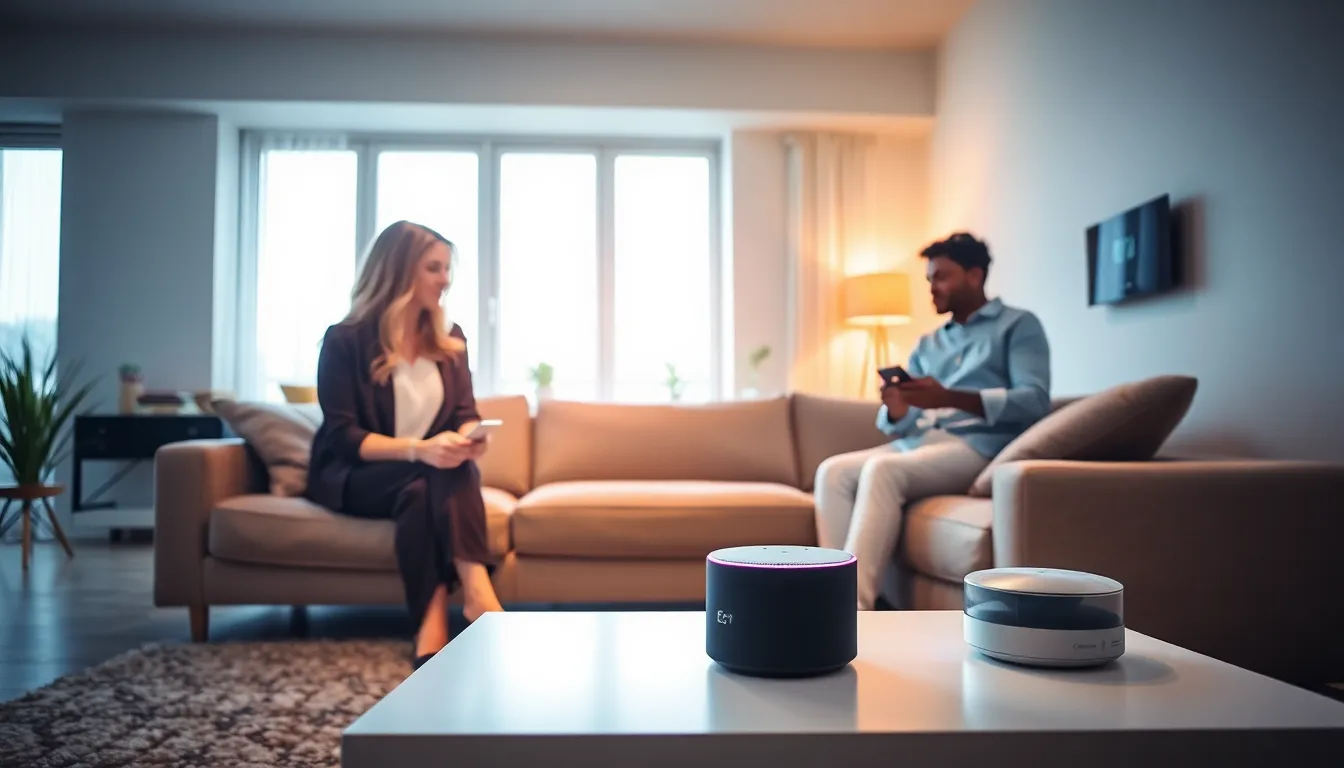
Home automation refers to the control of home appliances and systems through a central hub or remotely via the internet. This technology allows for the automation of tasks that would traditionally require manual input. From adjusting lighting to managing energy consumption, home automation creates an intelligent living space that reacts according to individual preferences. Essentially, it transforms a standard dwelling into a smart home, equipped with interconnected devices that communicate with each other, optimizing your daily activities.
Benefits of Home Automation
- Convenience: Home automation allows users to manage multiple devices from one location. Imagine controlling your lights, thermostat, and security systems with just a simple tap on your smartphone. Gone are the days of juggling multiple remotes and switches.
- Energy Efficiency: With automated systems like smart thermostats, you can significantly cut down on energy costs. These devices can adjust settings based on your schedule, helping you save money while reducing your carbon footprint.
- Enhanced Security: Home automation adds an extra layer of security to your home. Automated locks and smart cameras keep an eye on your property even when you’re away, offering peace of mind for homeowners.
- Increased Home Value: Potential buyers see smart home features as a major plus. Investing in home automation can boost your home’s resale value, making it a smart financial move.
Essential Components of Home Automation Systems
To create an effective home automation system, several essential components come into play.
Popular Home Automation Technologies
Common technologies include Wi-Fi, Zigbee, and Z-Wave, each providing different levels of connectivity and control. Wi-Fi-based devices rely on existing internet connections, while Zigbee and Z-Wave are more suited for networking various devices due to their low energy consumption.
Smart Lighting Solutions
Smart lighting is one of the most popular features within home automation. Options range from adjustable LED bulbs to elaborate lighting systems, allowing users to control brightness and color through their smartphones or voice commands.
Smart Thermostats and HVAC Control
Thermostats like Nest and Ecobee learn your preferences over time, ensuring optimal comfort. They can be adjusted remotely or programmed to lower energy output when the home is vacant. This not only enhances comfort but also significantly reduces heating and cooling costs.
Home Security Automation
Security systems, including surveillance cameras and motion detectors, can be integrated into your home automation setup. Users can receive real-time alerts and monitor their property from anywhere, significantly raising overall safety.
Integrating Home Automation Devices
Integrating various home automation devices begins with selecting a central hub. A hub serves as the command center, allowing different smart devices from various brands to communicate effectively. Systems such as Amazon Alexa, Google Assistant, or Samsung SmartThings offer excellent compatibility and user-friendly interfaces.
Setting up the network typically involves downloading respective apps for each device and connecting them to the central hub. The magic happens in creating routines. For instance, you can schedule your lights to dim automatically during movie night or set the thermostat to adjust a few hours before you return home.
Challenges and Considerations in Home Automation
While the perks of home automation are enticing, a few challenges warrant consideration:
- Compatibility Issues: Not all devices will work seamlessly together. It’s important to do some research to ensure that your chosen devices are compatible with your central hub.
- Cost: Initial investing can be costly, especially for comprehensive systems. It’s essential to weigh the long-term savings on energy bills against upfront expenses.
- Security Risks: Like any internet-connected device, smart home gadgets can be vulnerable to hacking. Implementing strong passwords and using secure networks are critical steps to safeguarding your home.
Future Trends in Home Automation
The future of home automation is exciting and promising. With advancements in artificial intelligence and machine learning, systems will become even more intuitive. Expect to see devices that not only react but predict needs based on historical data. Also, the rise of 5G technology will pave the way for faster communication among devices, resulting in even more efficient and effective home automation systems.
Also, sustainability will take center stage, leading to the development of smarter, more energy-efficient products aimed at reducing environmental impact.